DMARC
Domain-based Message Authentication implementation and policy configuration.
14 articles

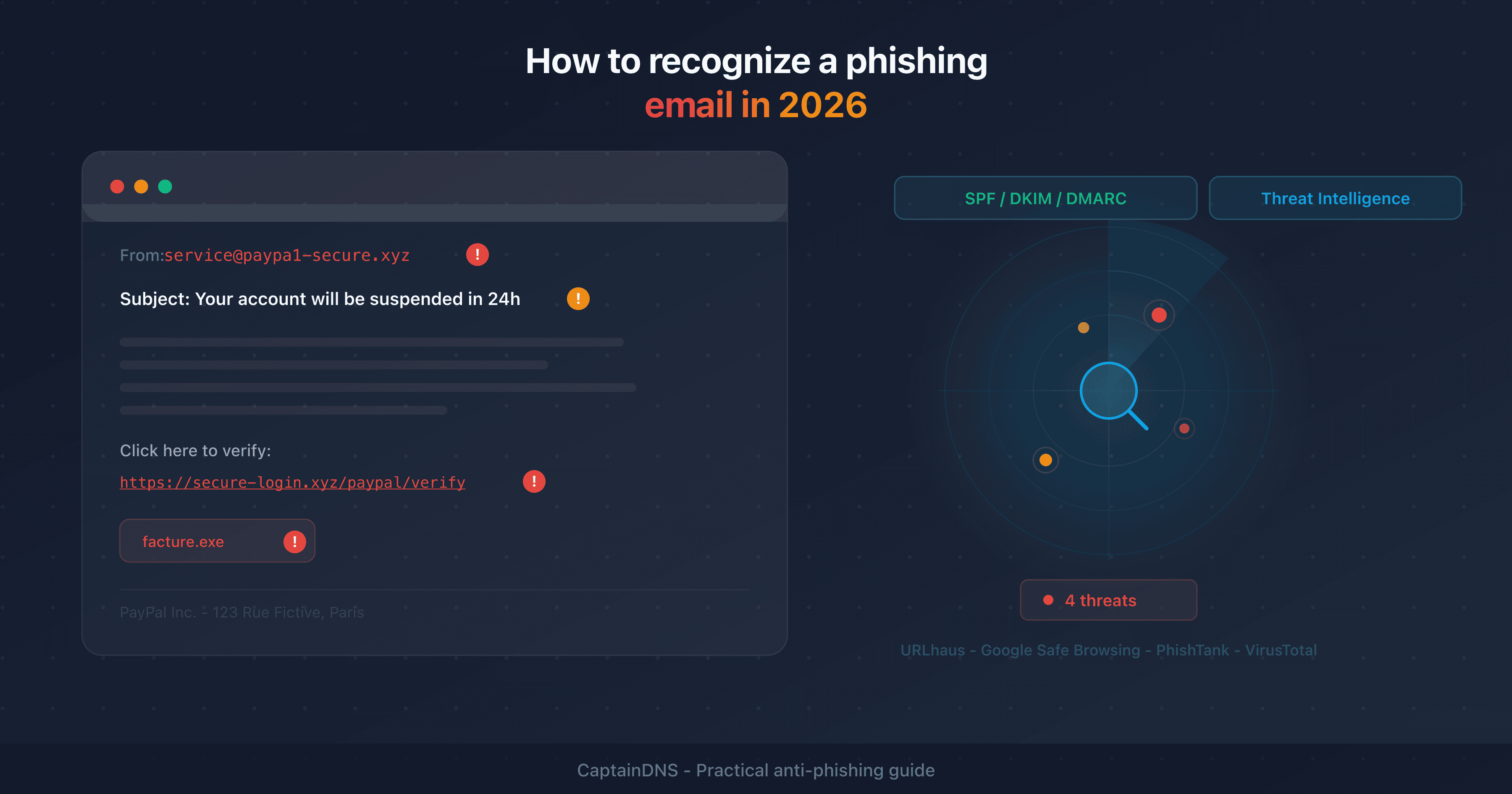
How to spot a phishing email in 2026
91% of cyberattacks start with an email. Learn how to spot the warning signs, verify a suspicious link, and protect your inbox with the right protocols.

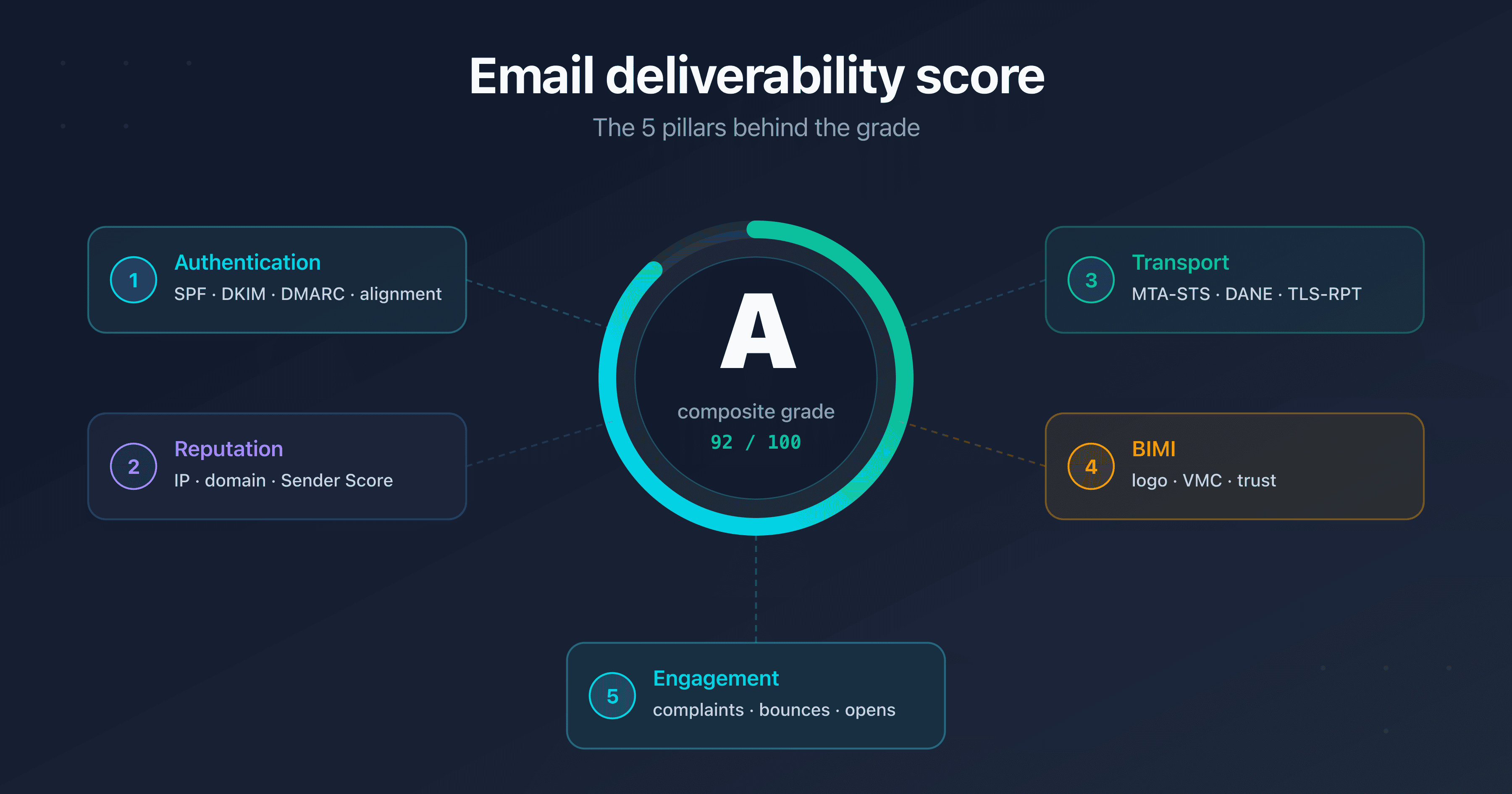
Why Your Emails End Up in Spam: The Complete Diagnostic Guide
Are your emails consistently landing in spam? This guide analyzes the 5 main causes and gives you a concrete action plan to restore optimal deliverability.

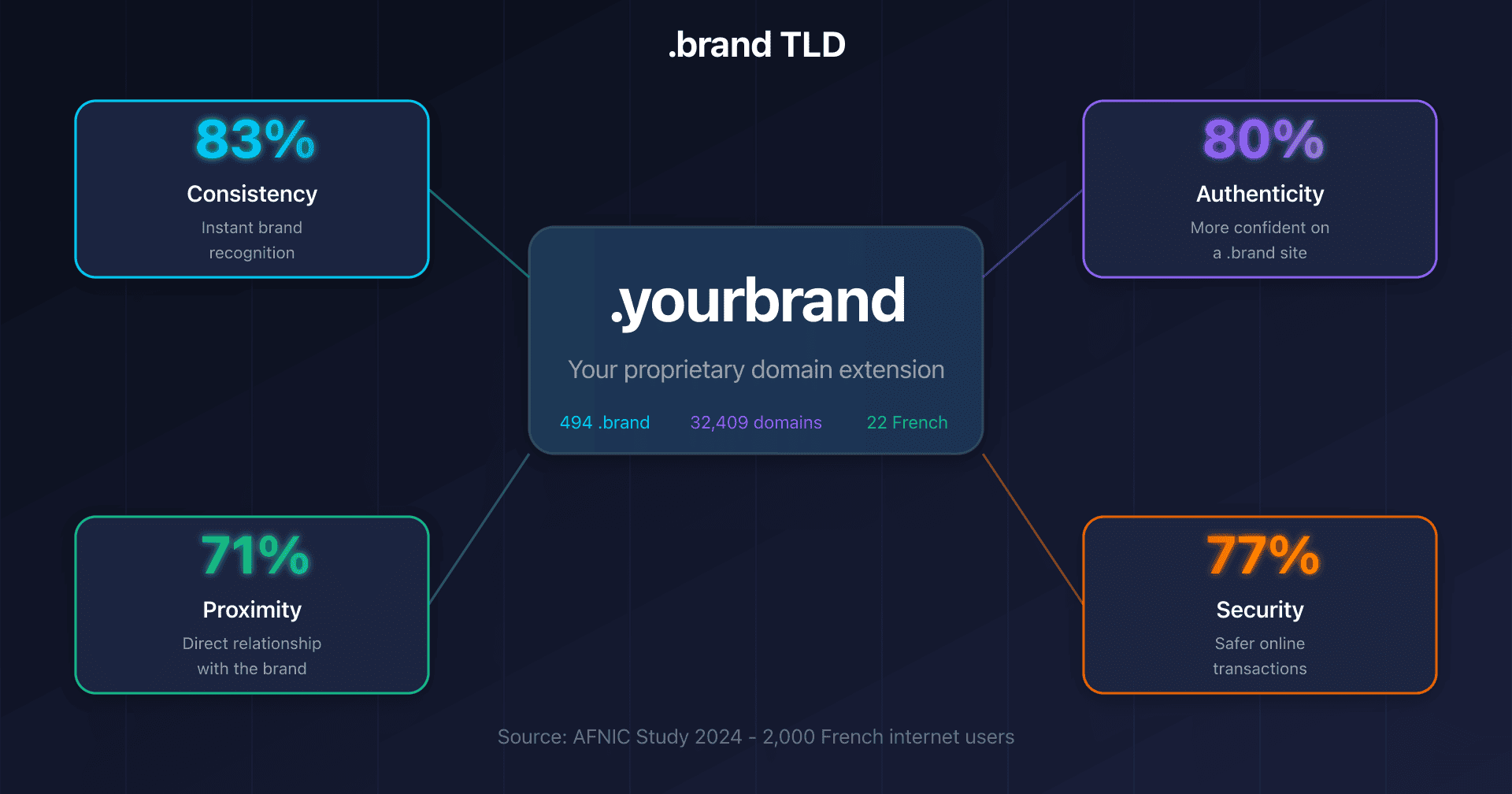
.brand TLD: why major brands create their own domain extension
From .dvag (10,562 domains) to .ferrari, .zara, and .google: discover why 494 global companies have invested in their own .brand TLD.

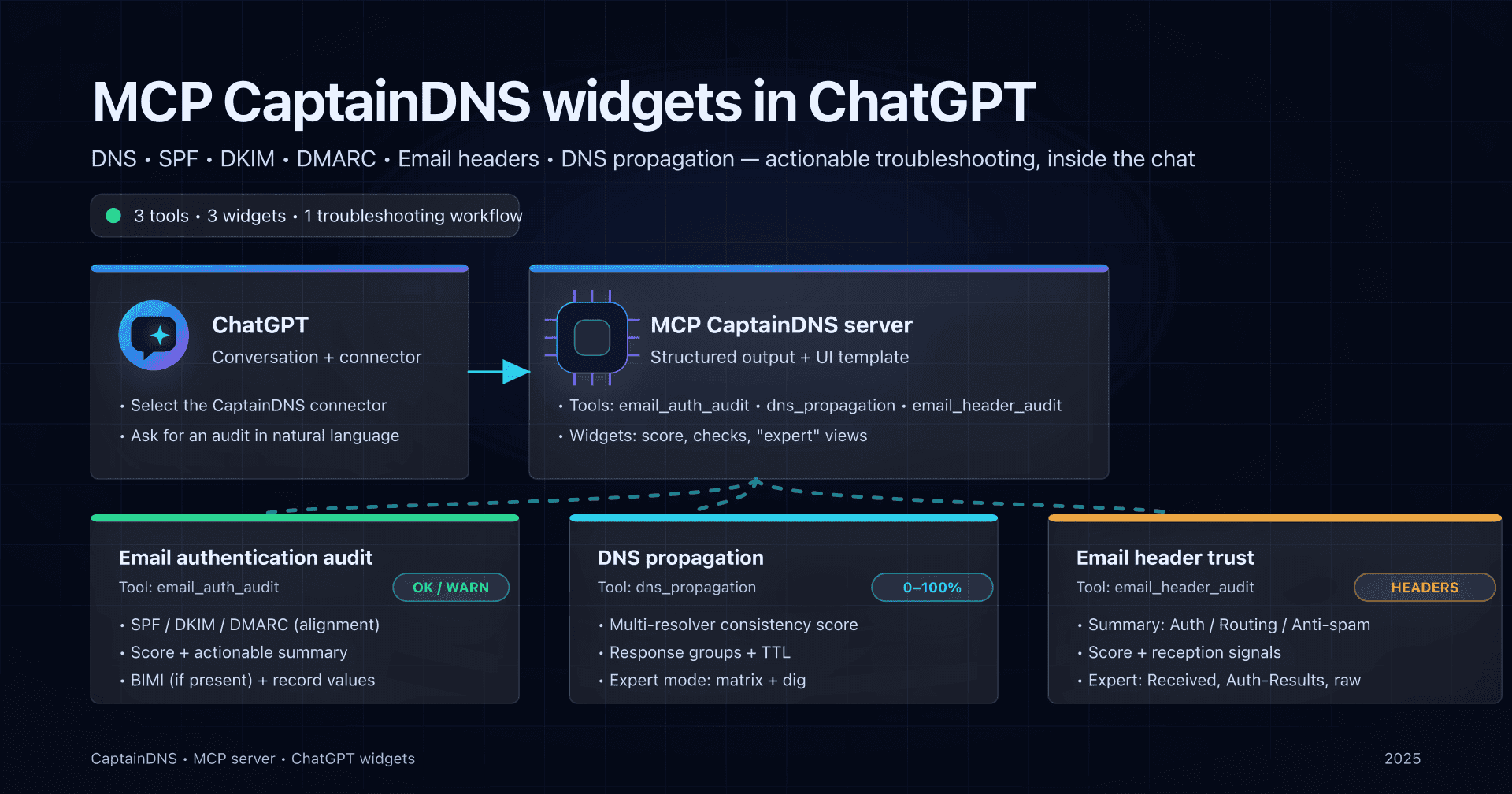
Connect CaptainDNS to ChatGPT via MCP: 3 widgets for DNS audits and deliverability
Add the CaptainDNS MCP server to ChatGPT and use 3 widgets to troubleshoot DMARC/DNS and analyze email headers without leaving the conversation.

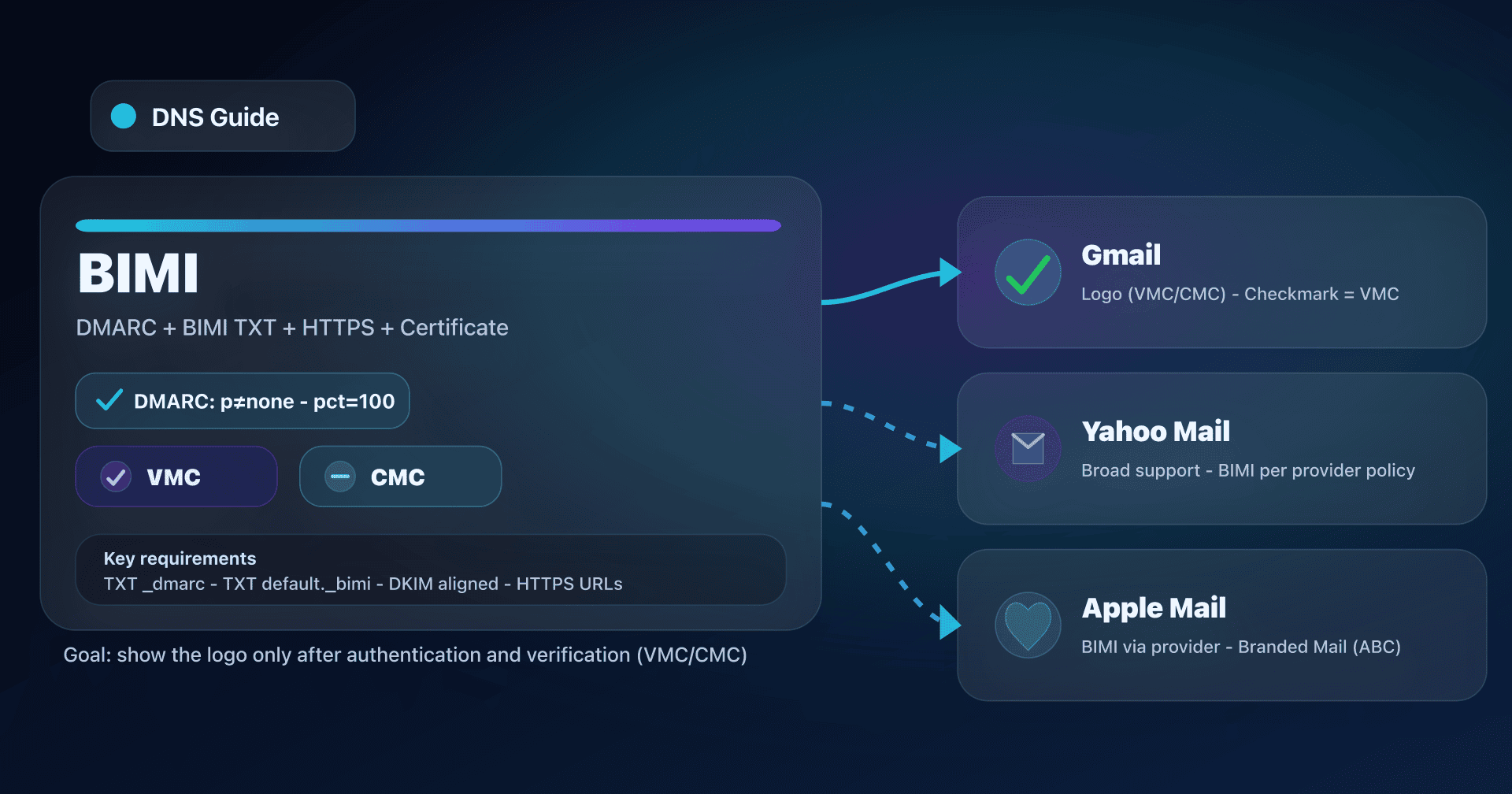
BIMI, VMC, CMC: compatibility and DNS prerequisites (Gmail, Yahoo, Apple Mail)
Putting your logo in the inbox: what you actually need to configure in DNS for BIMI, and how to choose between VMC and CMC.

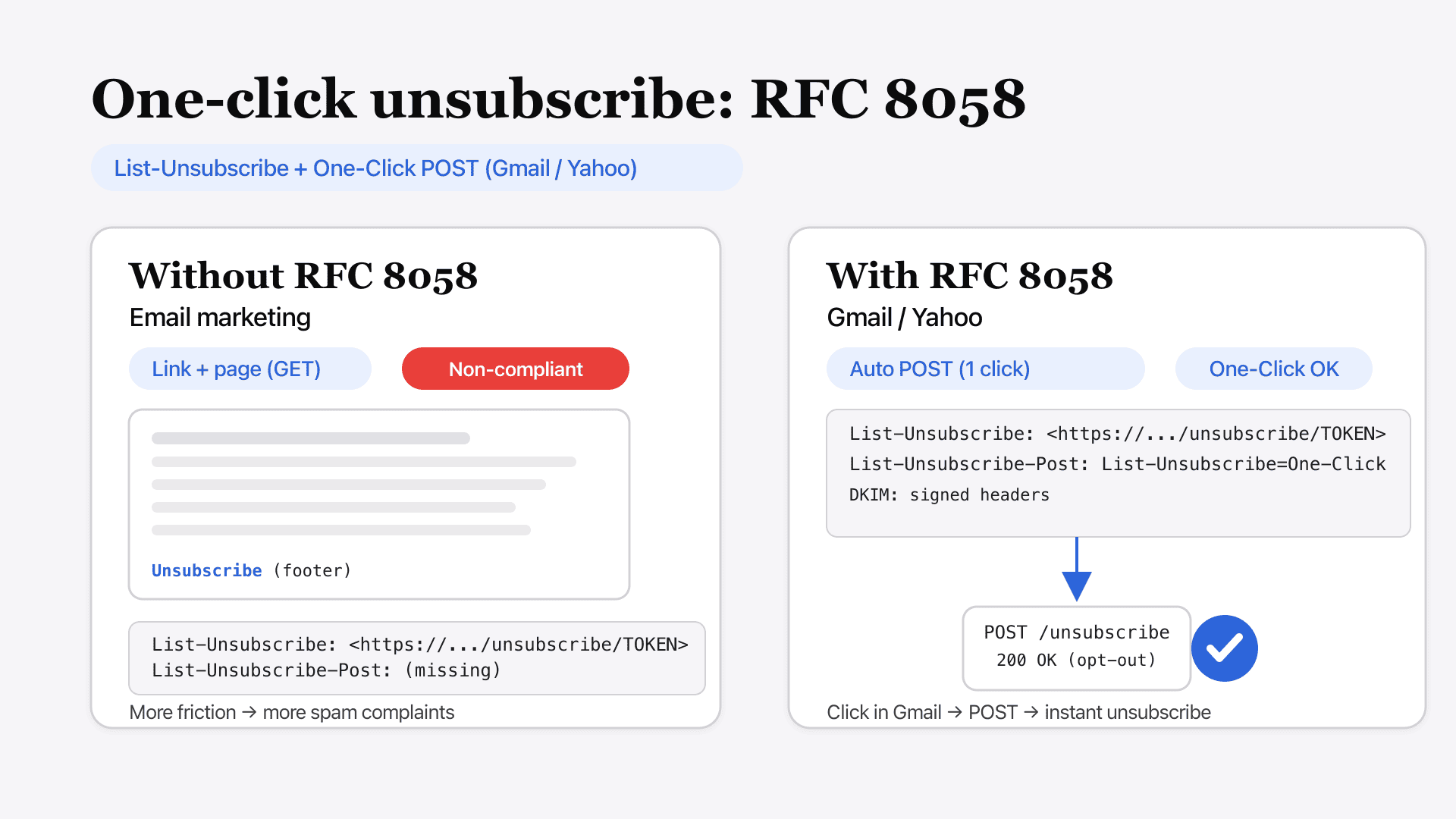
Gmail/Yahoo one-click unsubscribe: what RFC 8058 changes and how to implement it
Gmail and Yahoo require a one-click unsubscribe via RFC 8058-compliant List-Unsubscribe headers. Here's the expected format, the server-side POST, and the compliance checklist.

BIMI logo cache: run a brand refresh and make the new logo show up everywhere
Your logo changed but inboxes still display the old one? It is not only a DNS issue: mailbox providers cache BIMI assets. Discover how the cache layers work and how to plan a smooth BIMI migration.

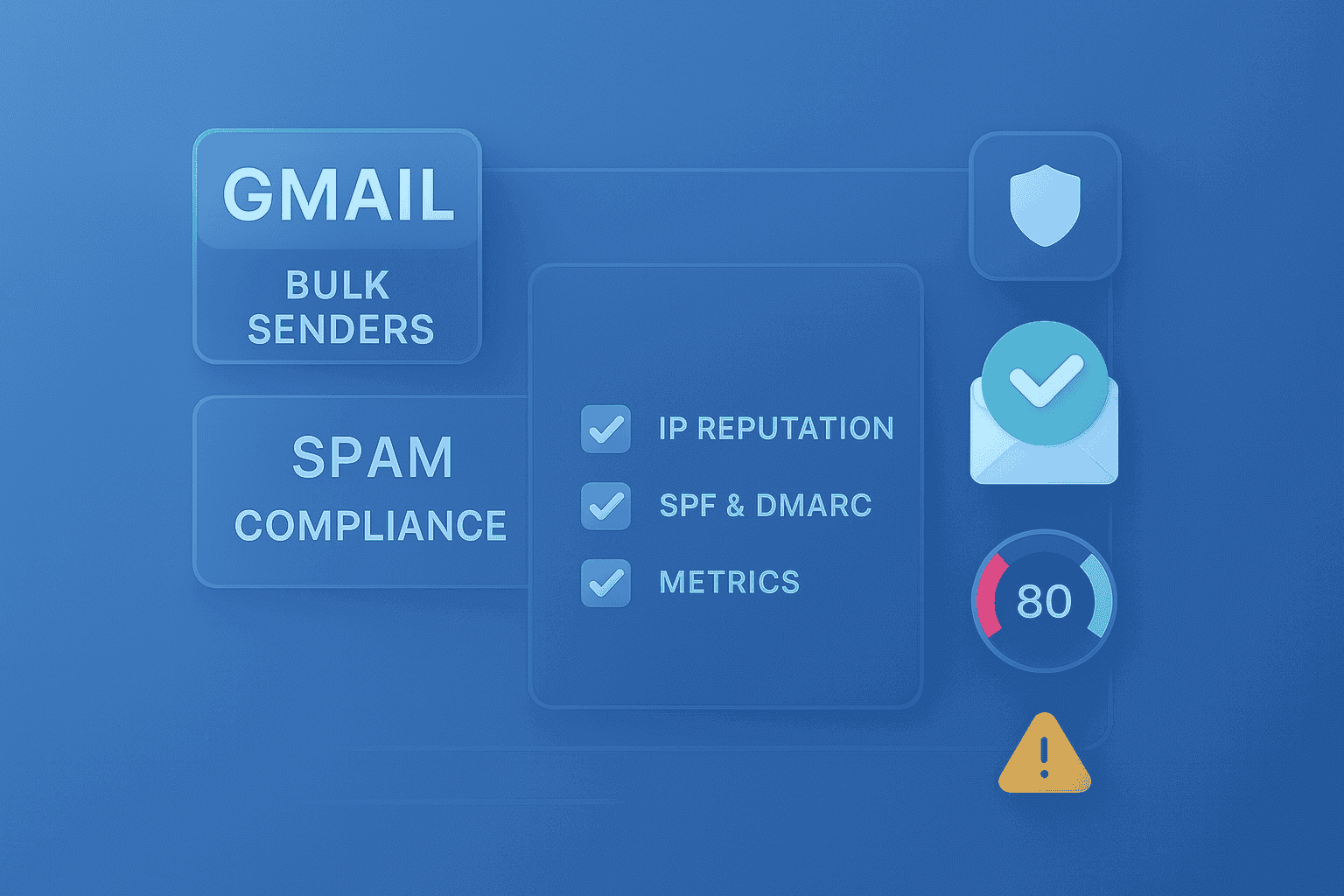
Gmail tightens its sending rules: what's changing for senders starting November 2025
Starting in November 2025, Google enforces new security requirements for bulk senders: full SPF/DKIM/DMARC authentication, TLS encryption and strict unsubscribe management.

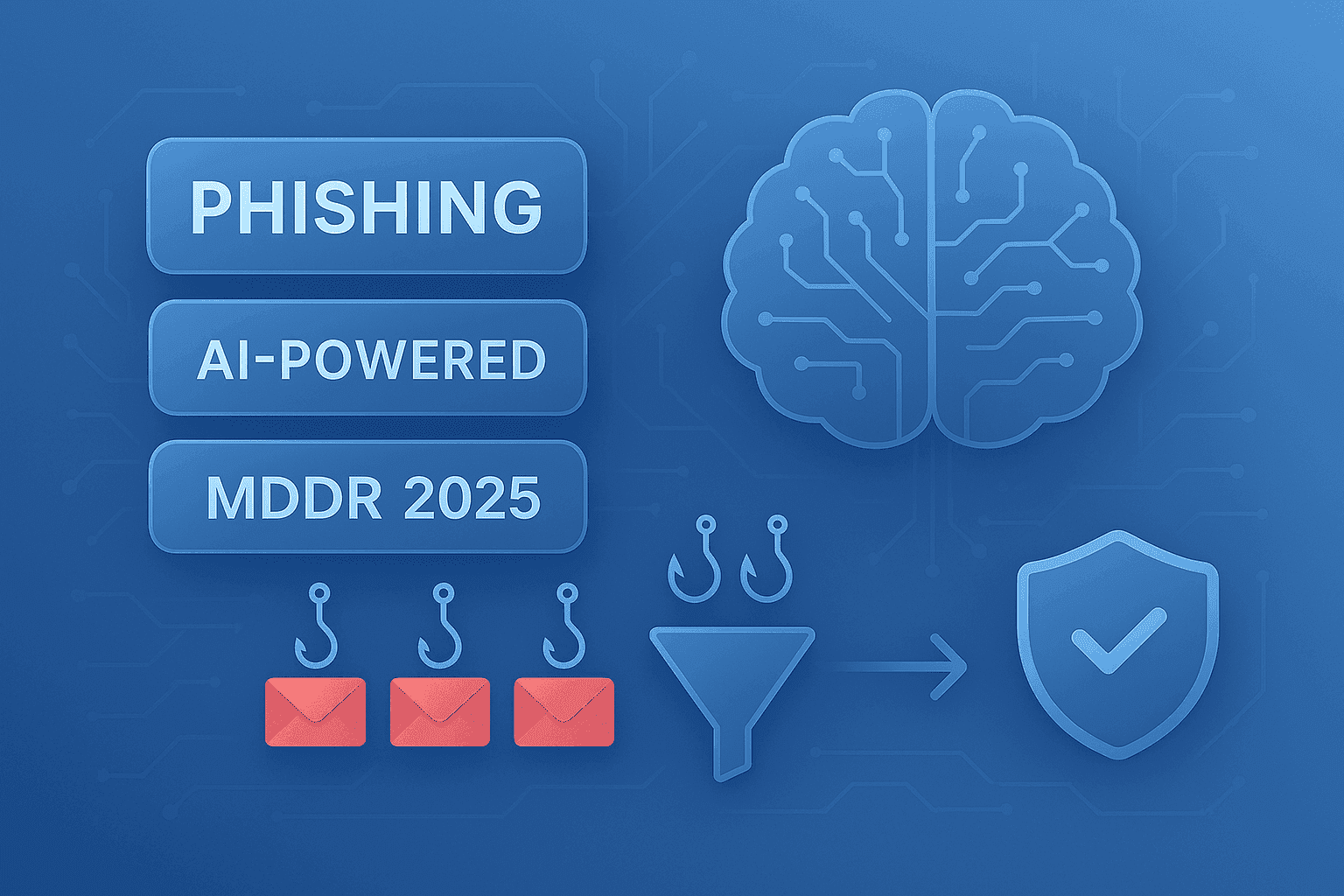
AI-Powered Phishing: What the MDDR 2025 Reveals
AI-automated phishing emails average a click-through rate of roughly 54%. At scale, automation can make these campaigns up to ×50 more profitable. Both figures come from the Microsoft Digital Defense Report 2025 (MDDR 2025).