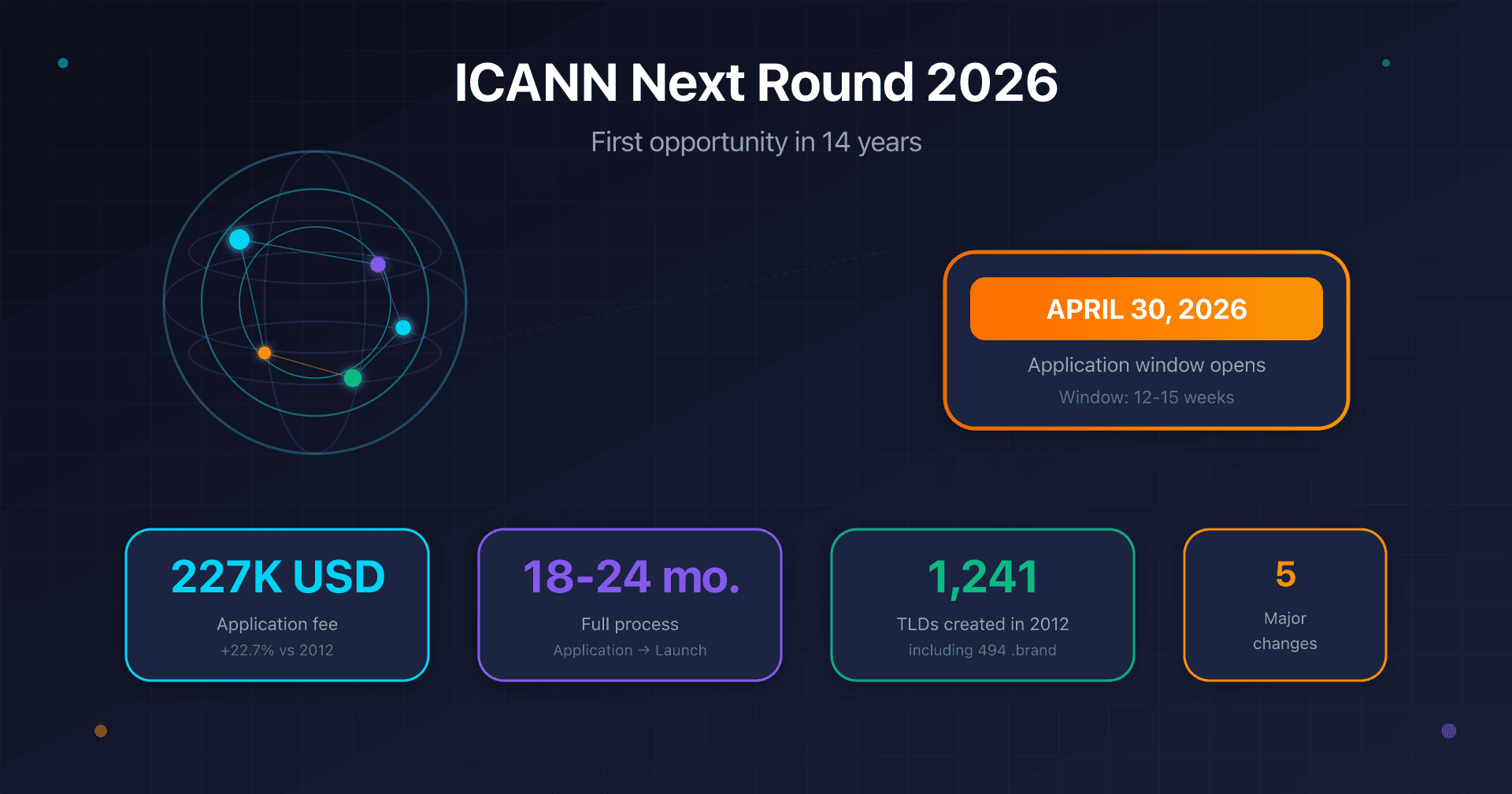
ICANN Next Round 2026: First Opportunity in 14 Years
On April 30, 2026, ICANN opens applications for new domain extensions. A complete breakdown for decision-makers.
On April 30, 2026, ICANN opens applications for new domain extensions. A complete breakdown for decision-makers.
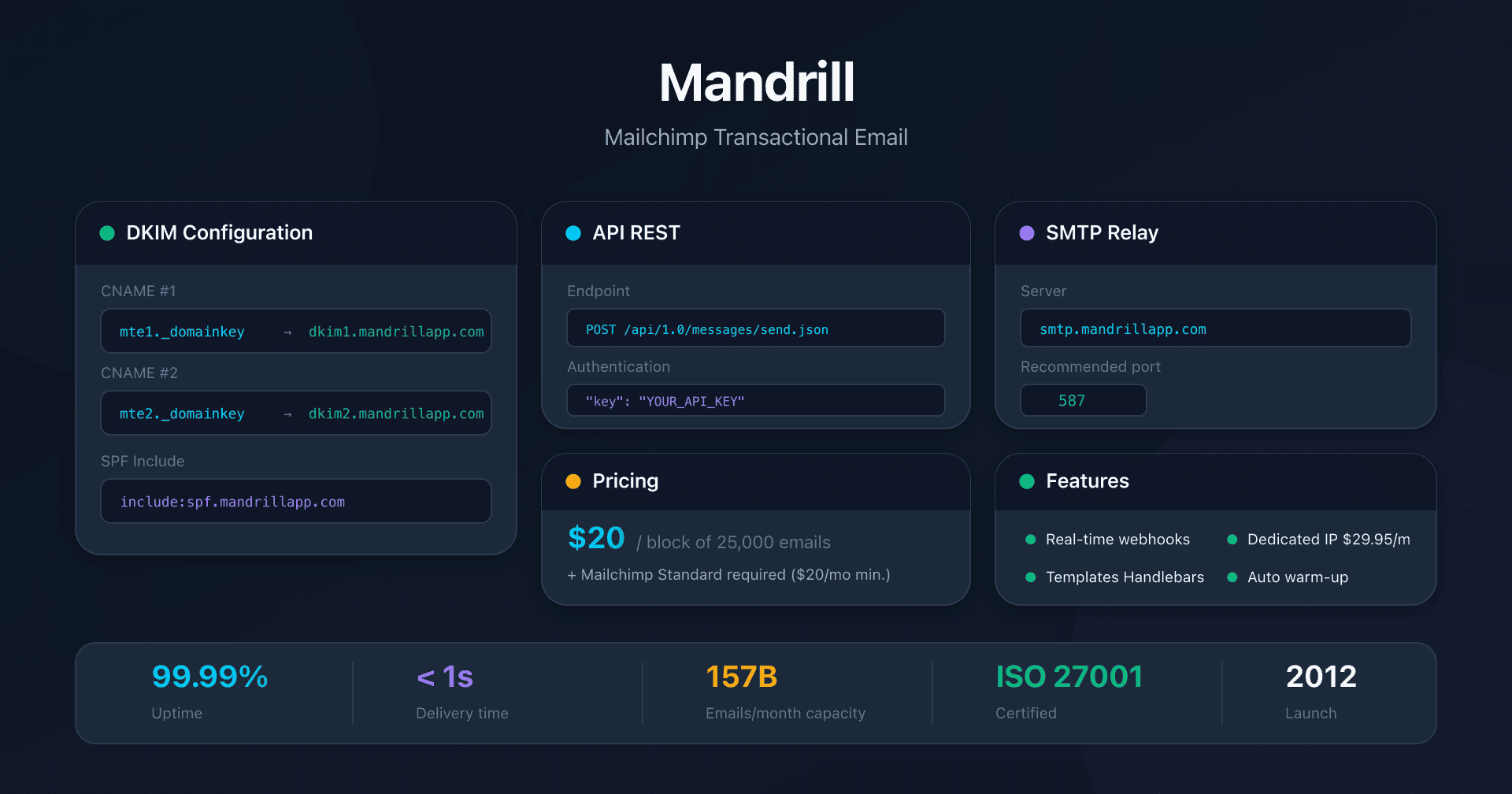
A complete guide for developers and system admins: DKIM configuration via CNAME, choosing between API and SMTP, Mailchimp prerequisites, and pitfalls to avoid.
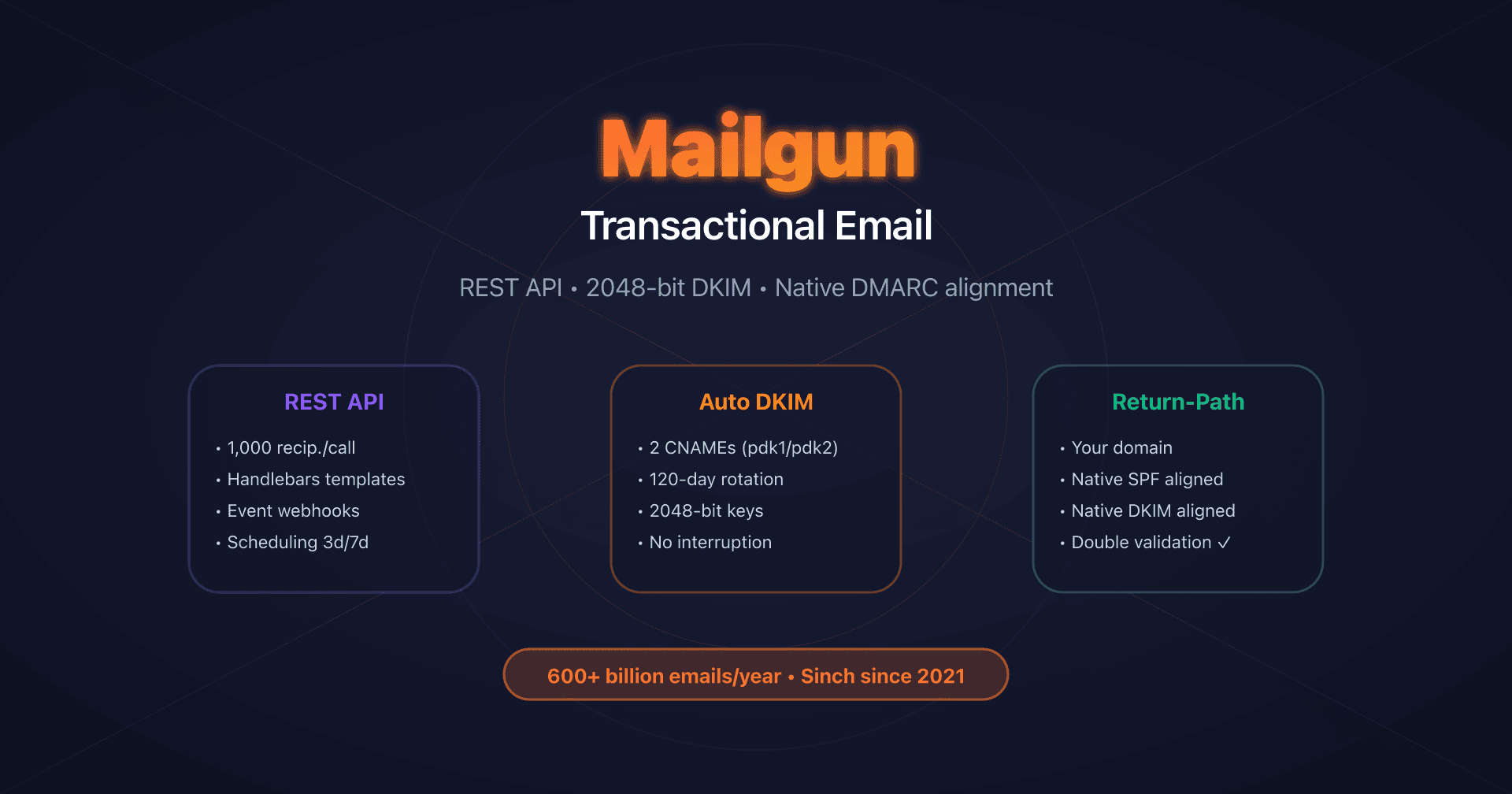
A detailed technical guide for developers: DNS configuration (SPF, 2048-bit DKIM with autorotation), REST API vs SMTP, dedicated vs shared IP, limits and webhooks.
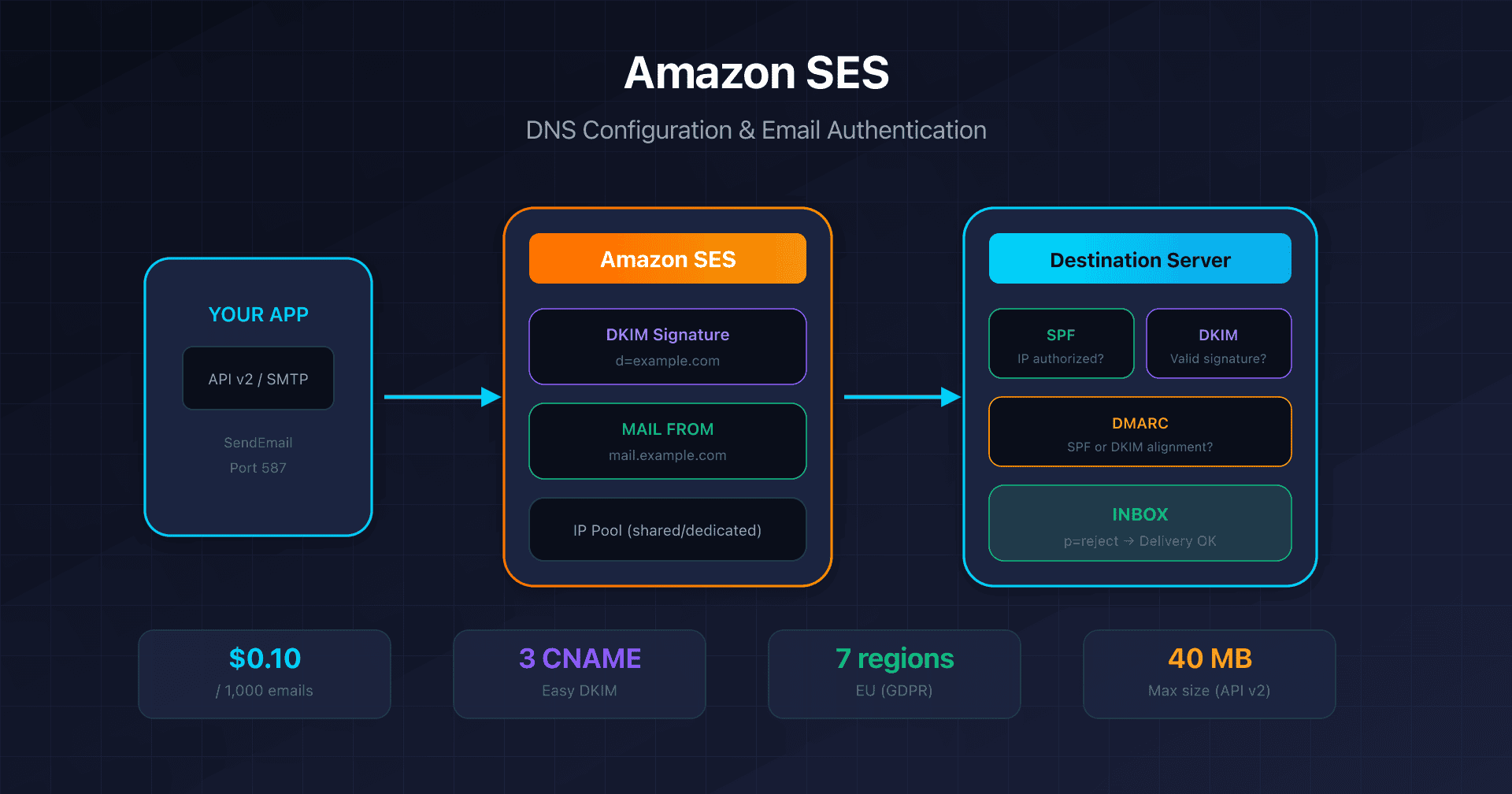
Complete Amazon SES configuration with Easy DKIM, Custom MAIL FROM, strict DMARC alignment. Everything you need for optimal deliverability and GDPR compliance.
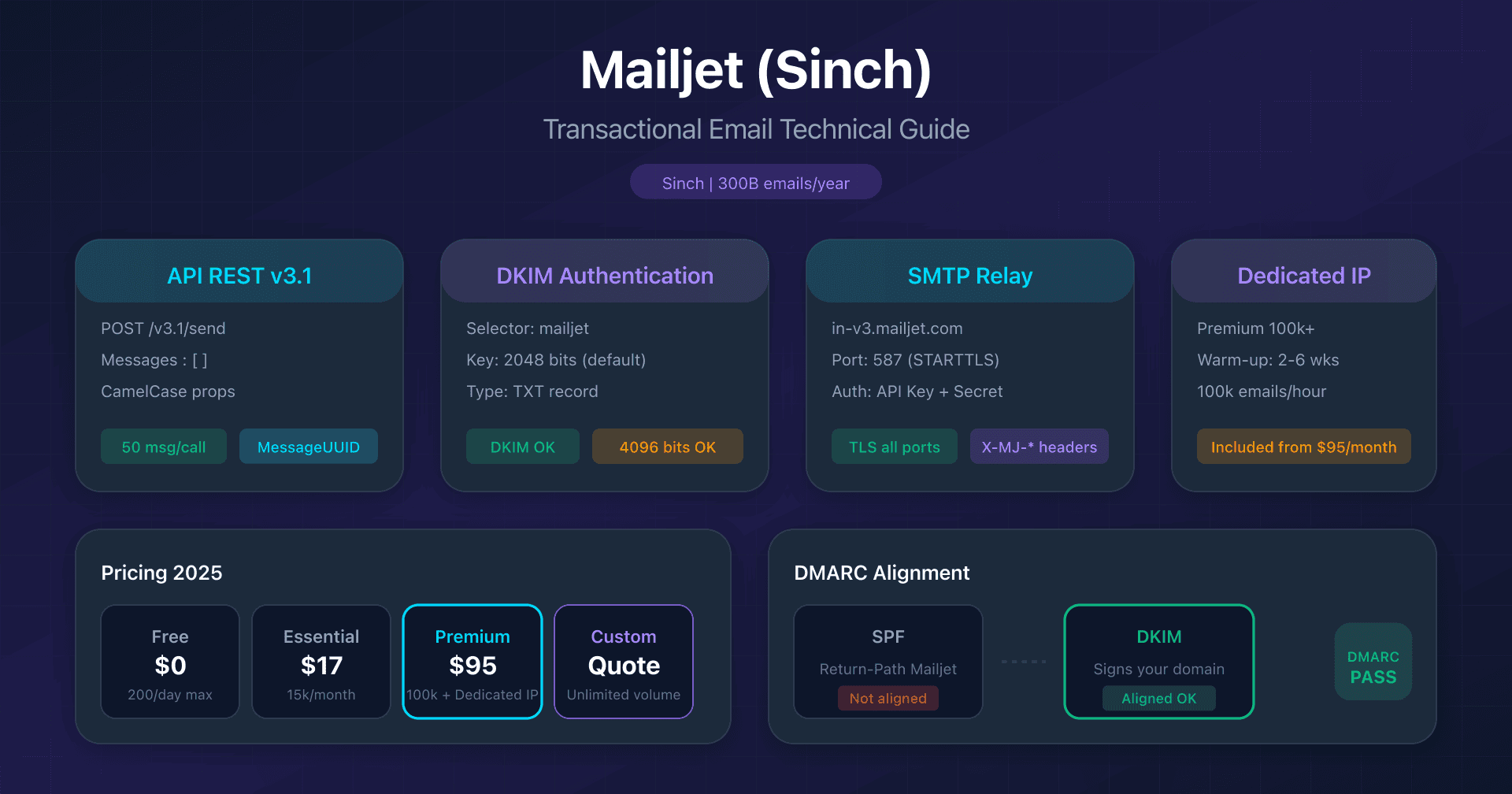
A comprehensive guide for developers and system admins: DKIM configuration, API v3 vs v3.1, dedicated vs shared IP, and pitfalls to avoid with Mailjet.
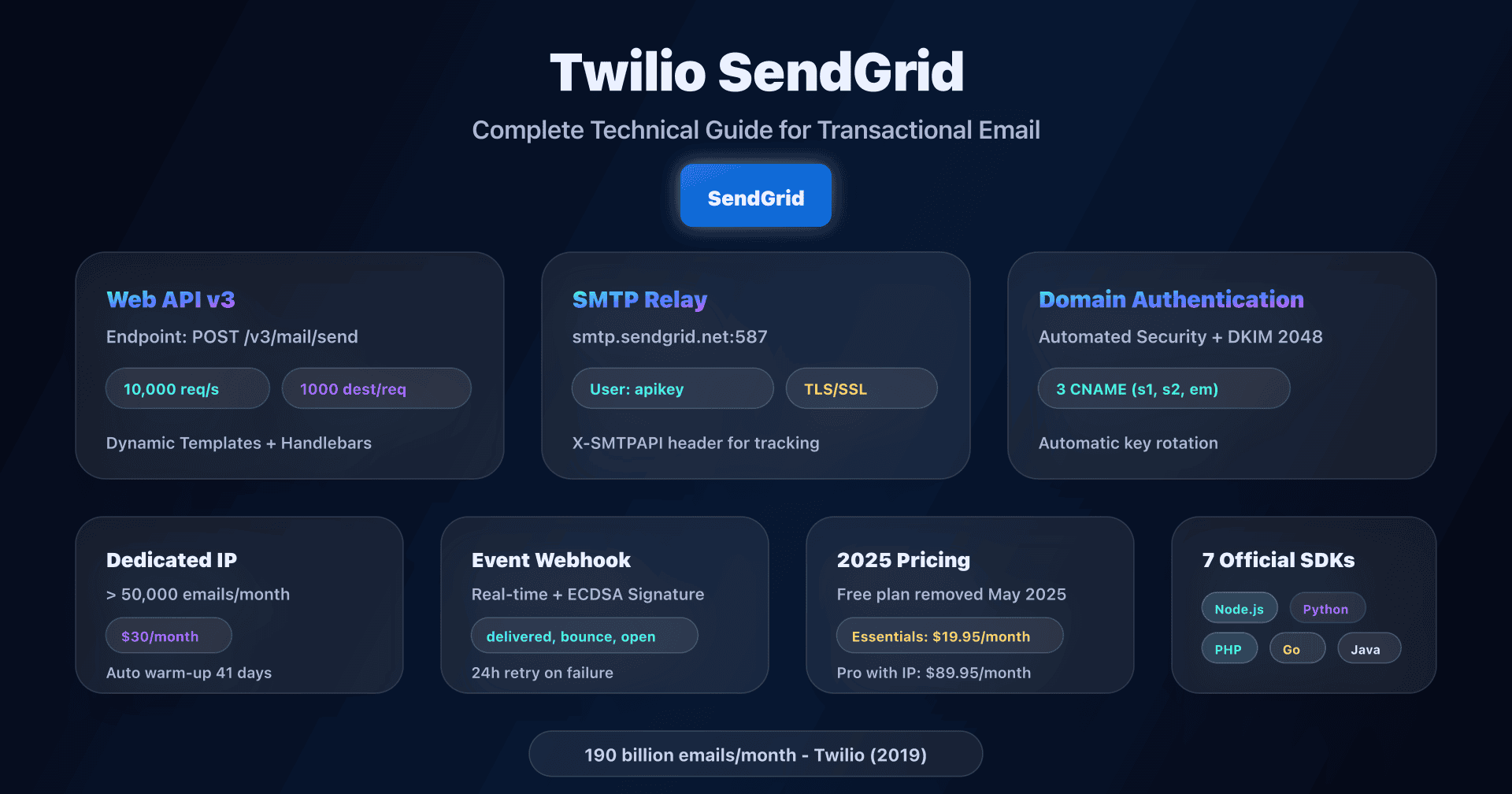
A detailed technical guide for developers: DNS configuration (SPF, 2048-bit DKIM), Web API v3, SMTP Relay, dedicated vs shared IP, limits and webhooks.
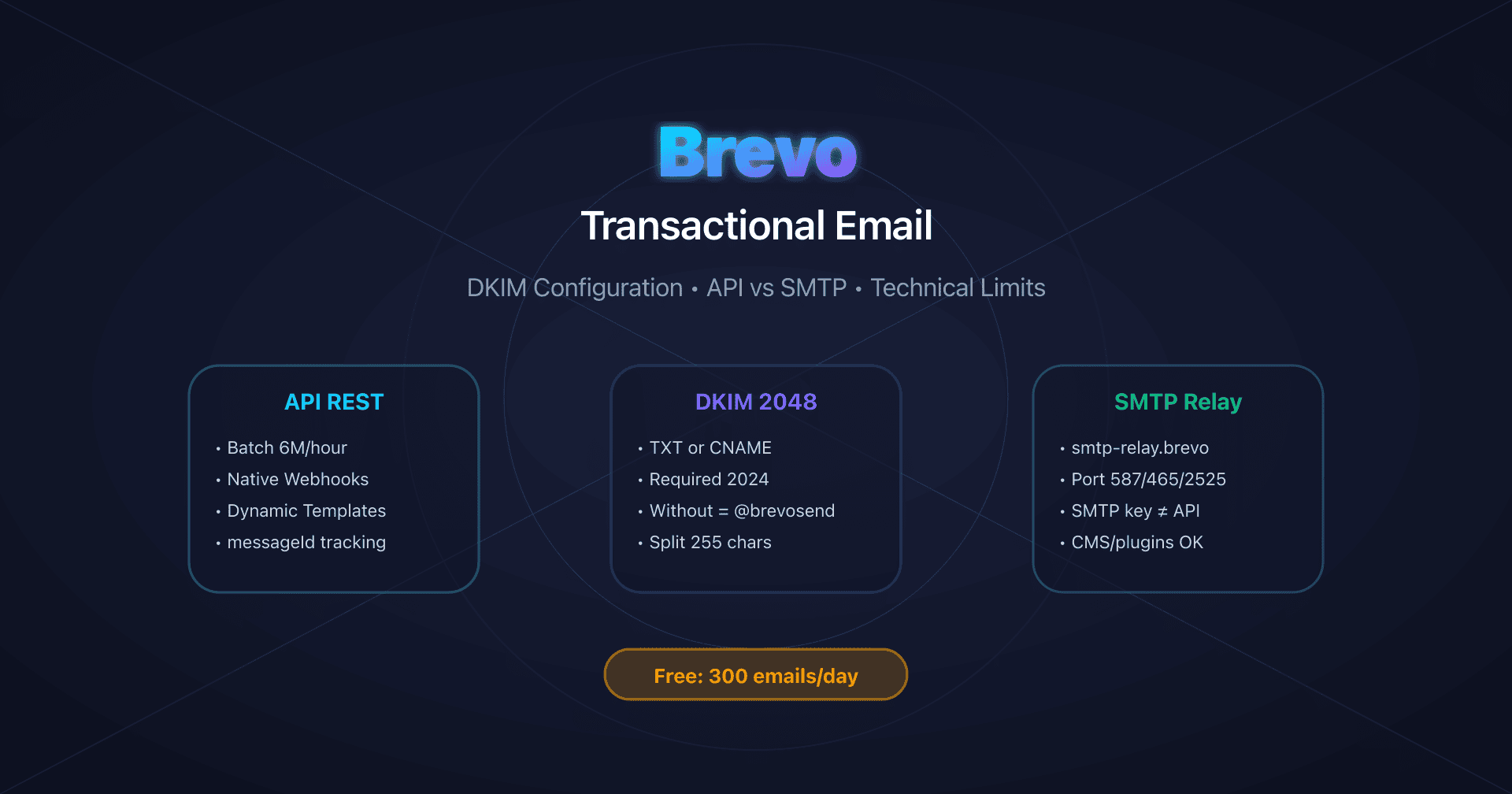
A comprehensive guide for developers and sysadmins: DKIM configuration, choosing between API and SMTP, technical limits, and pitfalls to avoid with Brevo.
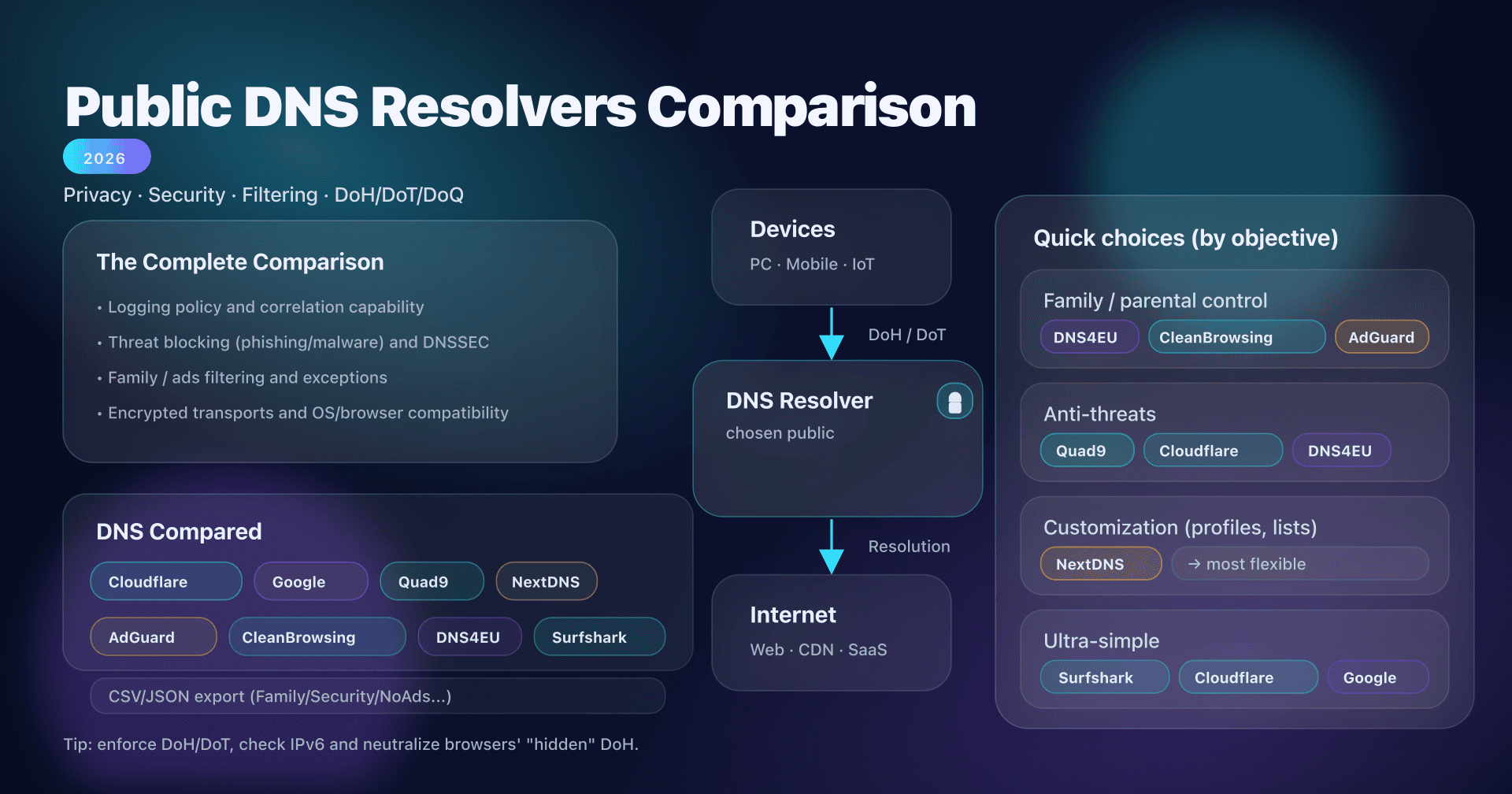
A comprehensive guide to compare the best public DNS resolvers: privacy, security, family filtering, DoH/DoT/DoQ, and deployment methods.
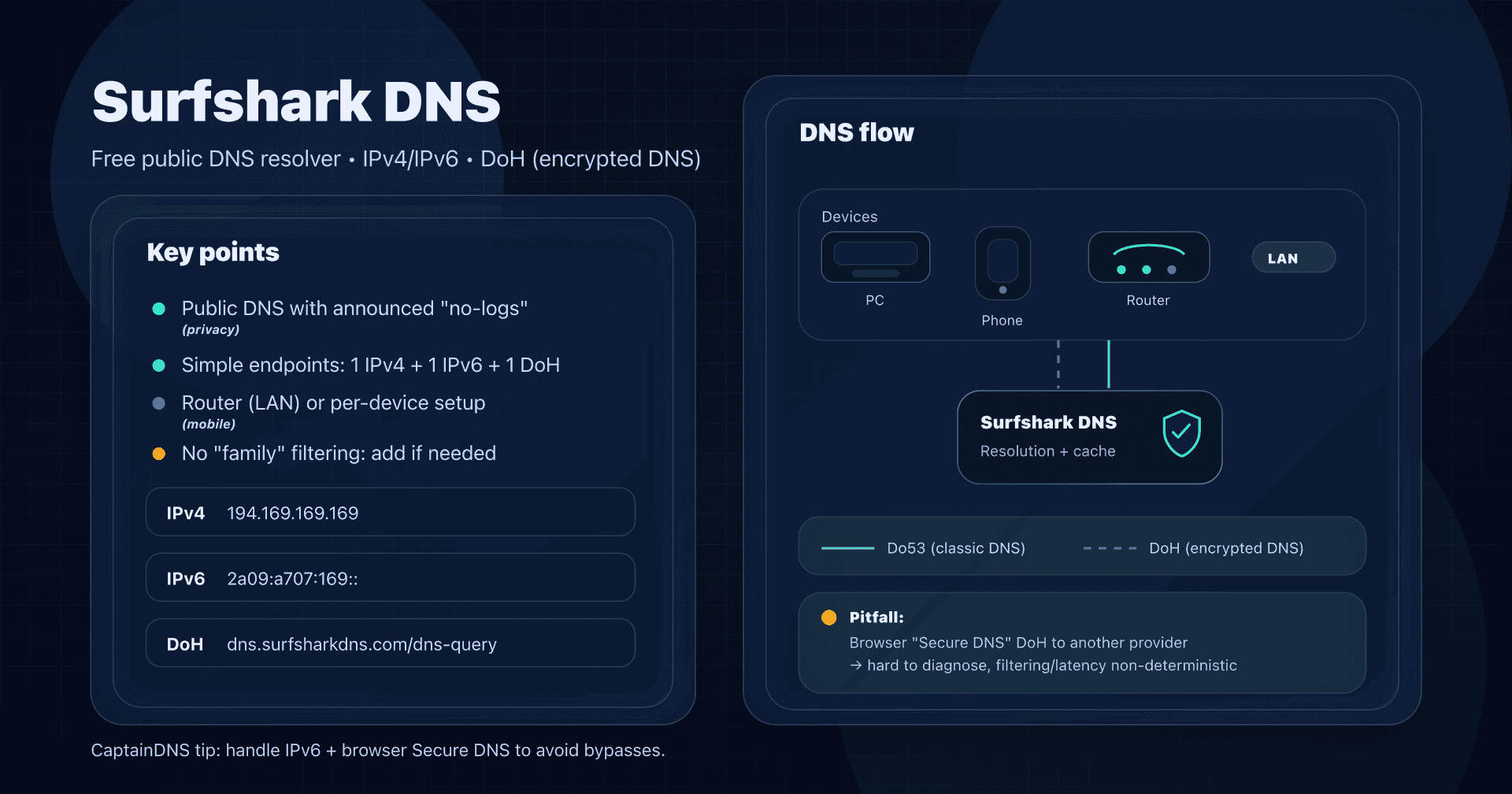
Surfshark DNS is a free public DNS resolver (IPv4/IPv6, DoH) focused on privacy. Here's when to use it, how to configure it, and what to check.
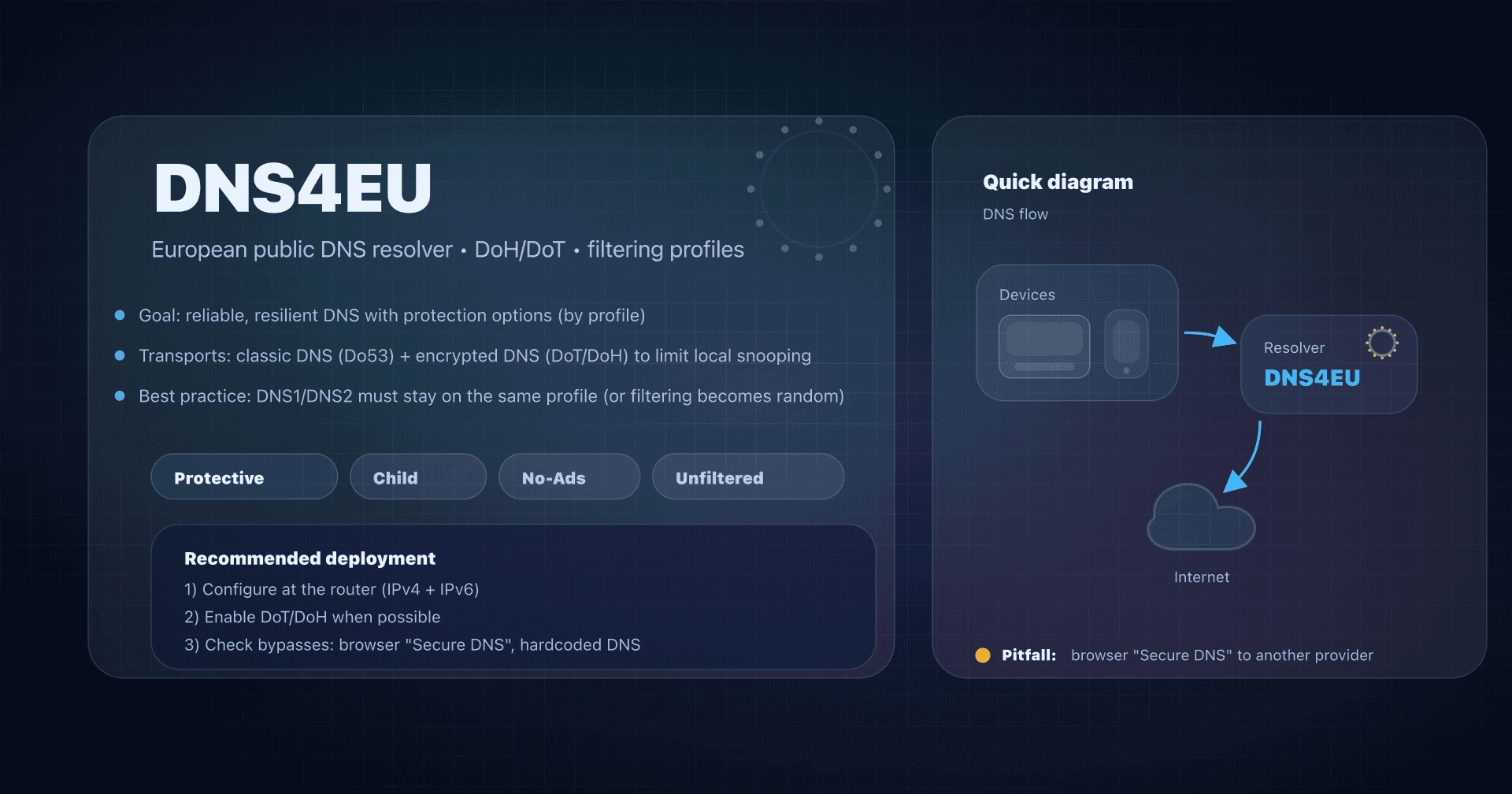
DNS4EU is a European public DNS with 5 variants (security, kids, ad blocking, neutral) and IPv4/IPv6 + DoH/DoT addresses. Deployment and verification guide.